

What Is the Difference Between Aluminium and uPVC Windows?
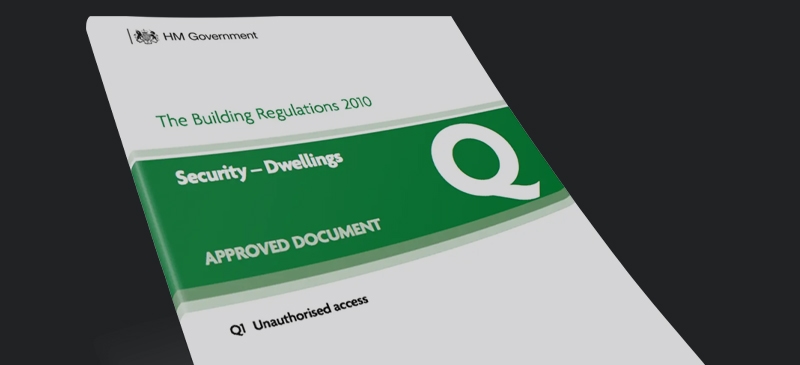
When a homeowner asks, “what is the difference between aluminium and uPVC windows?”, they are usually weighing up more than frame material. They are deciding how much glass they can achieve, how the property will look in ten years, what the installation will cost and whether the specification will satisfy Building Control. For installers, developers and architects, the question also affects structural capability, programme certainty and the range of openings that can be offered.
Both materials can deliver secure, energy-efficient windows when correctly manufactured and installed. The better choice depends on the size of the opening, the style of the building, the required performance and the budget available.
What is the difference between aluminium and uPVC windows?
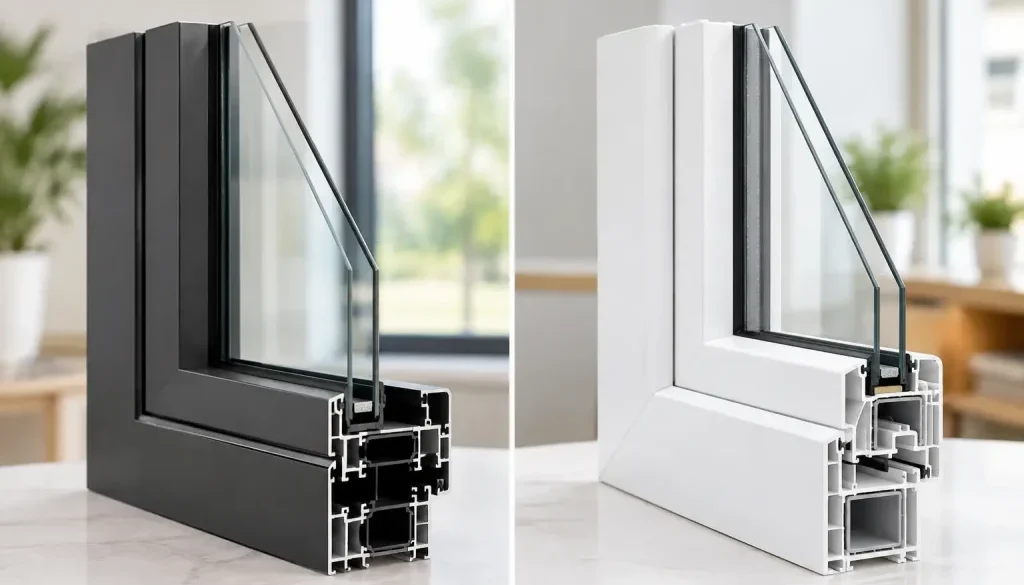
The main difference is in the strength and construction of the frame. Aluminium is a strong, lightweight metal that allows for slim profiles and larger glazed areas. uPVC is an insulated plastic material, usually formed into thicker multi-chamber profiles and often reinforced internally for larger frames.
That difference influences almost every other consideration. Aluminium windows are generally selected for contemporary elevations, large fixed lights, floor-to-ceiling glazing and projects where slim sightlines matter. uPVC windows remain a practical choice for standard-sized replacement windows, particularly where achieving a lower upfront cost is the priority.
Neither should be specified on material alone. Frame design, glass unit, hardware, installation quality and tested performance all determine how a completed window performs on site.
Sightlines, glazing area and design freedom
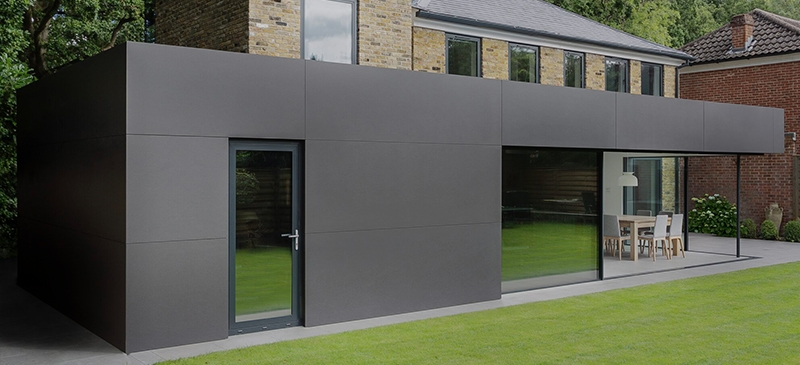
Aluminium has a clear advantage where minimal frame widths are required. Because it is inherently strong, an aluminium frame can support larger panes of glass without becoming excessively bulky. This creates cleaner sightlines and increases the visible glazed area – a major consideration for extensions, new-builds and properties designed around daylight and views.
It also gives designers more freedom with unusual shapes, large fixed windows and coordinated door and façade systems. Aluminium can be specified across windows, bifolds, sliding doors, entrance doors and roof glazing in matching colours and finishes, helping a project feel considered rather than pieced together.
uPVC profiles are usually wider, especially where reinforcement is needed. This is not necessarily a problem in a traditional replacement project, but it can be noticeable on large openings or where several windows sit alongside each other. For a modest casement window, the visual difference may be less significant. For a wide kitchen extension with a picture window, it is often decisive.
Thermal performance: frame material is only part of the answer
Older aluminium windows earned a reputation for feeling cold because metal conducts heat. Modern aluminium systems are very different. Quality thermally broken profiles use an insulating barrier between the inside and outside sections of the frame, significantly reducing heat transfer.
A well-specified modern aluminium window can achieve strong thermal performance, with whole-window U-values commonly around 1.2 to 1.4 W/m²K depending on the system, glazing and window configuration. Triple glazing, warm-edge spacers and appropriate glass coatings can improve performance further, although they may add weight and cost.
uPVC is naturally less conductive and its multi-chamber construction provides good insulation. It can therefore deliver very competitive U-values, especially in standard window sizes. However, the lowest headline figure should not be the only measure. Ask whether the quoted figure is for the glass centre-pane, the frame or the complete window. Building Regulations and project specifications typically require the performance of the complete product.
For either material, poor installation can undermine a high-performing window. Correct sealing, suitable cavity closers, insulated reveals and accurate fitting are as important as the brochure specification.
Strength, security and long-term stability
Aluminium frames are highly rigid and resist twisting, warping and expansion well. That makes them well suited to wide openings, exposed locations and products with heavy glazing. The strength of the material also supports more refined frame sections without compromising the overall structure.
uPVC is durable, but it expands and contracts more noticeably as temperatures change. Manufacturers manage this through profile design, reinforcement and installation allowances. In everyday replacement work, this is rarely a concern when the product is correctly sized and fitted. On very large frames, south-facing elevations or complex glazed installations, aluminium provides greater confidence in long-term stability.
Security depends on the whole window specification rather than the frame alone. High-quality multi-point locking, secure hinges, lockable handles, laminated glass where appropriate and professionally fitted frames all contribute. For projects requiring enhanced security, products tested to PAS 24 provide useful assurance that the window system has been assessed against common attack methods.
Appearance, colour and finish
uPVC is often supplied in white, anthracite grey, black or woodgrain-effect finishes. It suits many homes and can be an economical way to refresh tired timber or older plastic windows. The finish options are broader than they once were, but there are still limits to colour matching and profile style.
Aluminium offers a more architectural finish. Powder coating is available in a wide range of RAL colours, with options for different colours inside and out. This is useful where an external planning palette must sit alongside a lighter internal scheme. Textured, metallic and heritage-style finishes can also support more specific design briefs.
For conservation-sensitive work, it is worth separating material from appearance. A well-designed heritage aluminium system may offer slim, steel-look lines, while some period properties may require a more traditional timber solution to meet planning expectations. Always check local planning requirements before finalising the order.
Cost: upfront price versus project value
uPVC windows usually cost less upfront than aluminium equivalents. For standard replacement windows across a whole house, that saving can be substantial and may make uPVC the sensible commercial choice.
Aluminium costs more because of the material, thermal-break technology, finishing process and capability to create larger, slimmer products. The value case is strongest where aluminium solves a design or structural requirement that uPVC cannot meet as neatly: wide glazing, slim contemporary frames, coordinated doors and windows, or a premium finish intended to support the value of the finished property.
It is also sensible to compare like for like. A low quote may exclude upgraded glass, cills, trickle vents, installation, making good or the security and thermal upgrades needed to meet the project specification. A clear quotation should identify the system, glazing, colour, hardware and performance values being supplied.
Maintenance and expected service life
Both aluminium and uPVC are low-maintenance compared with painted timber. Routine cleaning with mild soapy water, clearing drainage channels and checking seals and moving hardware will help either system perform as intended.
Aluminium does not rust, and a properly applied powder-coated finish is highly durable. It is particularly popular for long-term, low-maintenance installations, although coastal sites may need an appropriate marine-grade finish and a more regular cleaning regime due to salt exposure.
uPVC does not rot and needs no repainting, but lower-quality products can discolour, become less crisp in appearance or show surface wear over time. This varies by profile, foil finish, exposure and maintenance. It is worth looking beyond the initial price and considering the manufacturer’s warranty, hardware quality and availability of aftersales support.
Which window is right for your project?
Choose uPVC when the opening sizes are conventional, the budget is tightly controlled and a capable, efficient replacement window is required. It is a proven option for many homes, rental properties and straightforward refurbishment programmes.
Choose aluminium when the brief calls for slim sightlines, bigger glazed areas, exceptional colour choice, long-term rigidity or a consistent design language across windows, doors and roof glazing. It is particularly effective for contemporary extensions, premium renovations, commercial-style elevations and new-build developments where glazing is central to the architecture.
For trade customers, the most reliable route is to establish opening sizes, wind exposure, thermal target, security requirement and finish before quoting. That prevents a product being selected simply because it is familiar, then revised later when the design ambition or structural demand becomes clearer.
At Rhino Aluminium, factory-controlled aluminium systems are manufactured for projects where performance, appearance and dependable fabrication need to work together. The right choice is not always the most expensive one – it is the window system that fits the opening, meets the specification and still looks right when the project is complete.