

Are Pivot Doors Secure for Modern UK Homes?
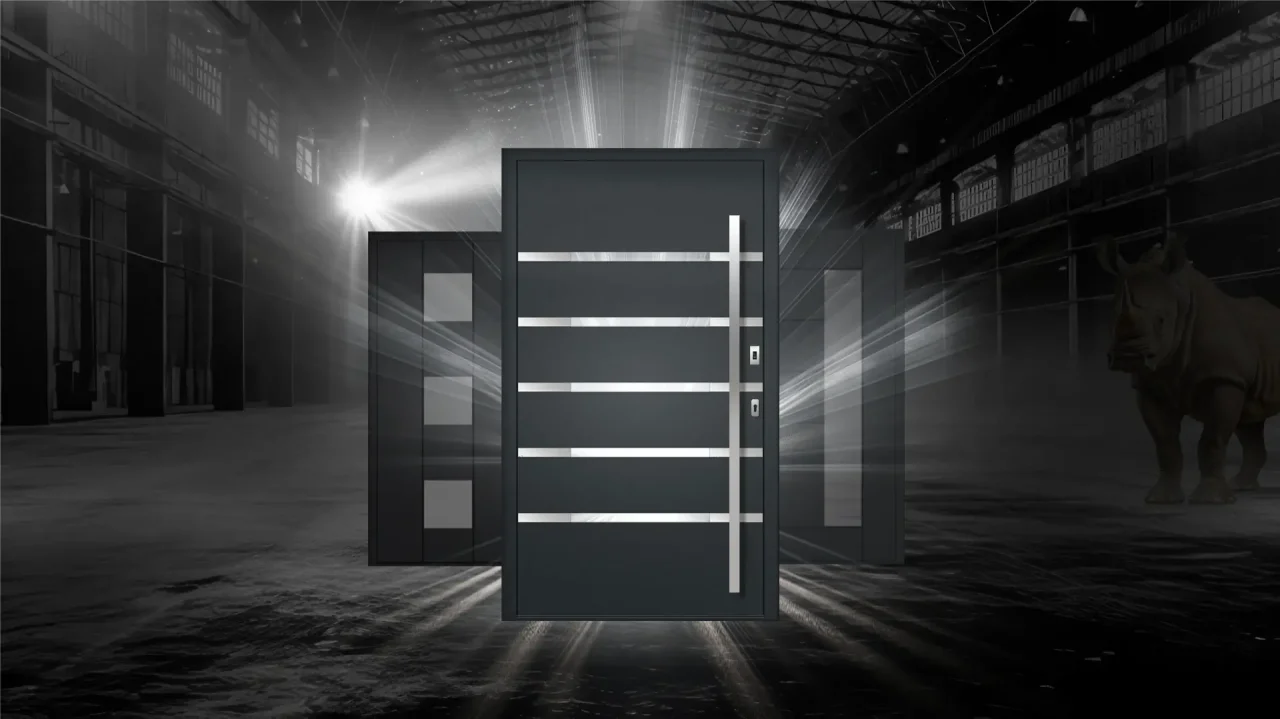
A large pivot door makes a clear statement at the front of a property. It can also prompt a sensible question from homeowners, architects and installers: are pivot doors secure enough for a main entrance? The short answer is yes, provided the door is specified as a complete security system rather than chosen purely for its size, glazing or appearance.
A well-engineered aluminium pivot door can provide strong protection against forced entry. However, not every oversized door, lock arrangement or glazed panel offers the same level of performance. Security depends on the quality of the profile, pivot hardware, locking points, glass, cylinder, fabrication and installation working together.
Are pivot doors secure in practice?
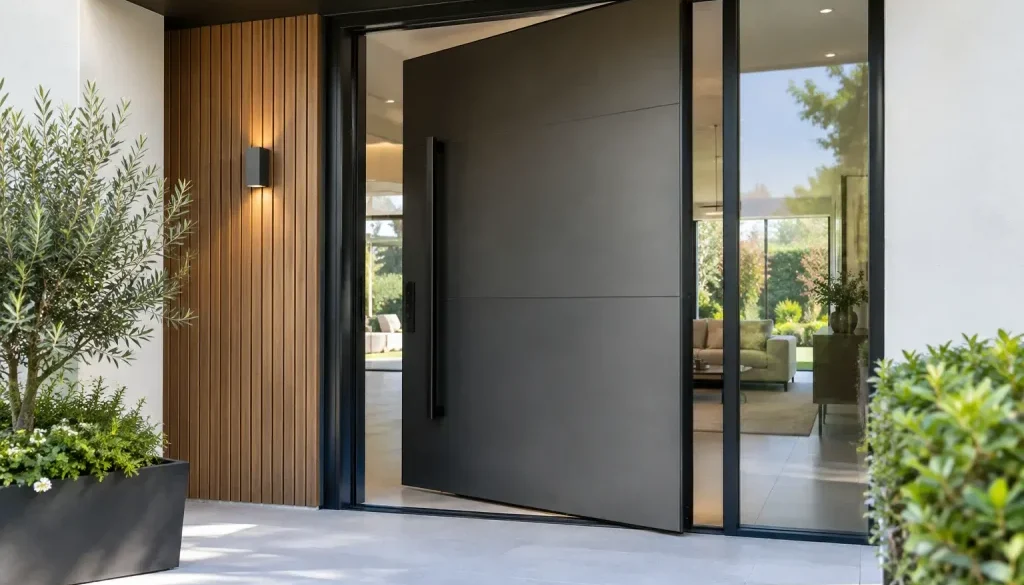
A secure pivot door is not simply a conventional front door fitted with a different hinge. It is a substantial door leaf supported by pivot hardware at the head and threshold, allowing the door to rotate around an offset axis. This arrangement creates the distinctive wide entrance and architectural look that make pivot doors popular on contemporary homes and premium developments.
The pivot mechanism itself is not a weakness when it is designed for the door’s weight, dimensions and use. High-quality pivot hardware supports and controls the leaf while concealed fixings and correctly engineered security components help prevent unauthorised removal or manipulation.
The more meaningful question is whether the complete doorset has been designed and tested to resist common attack methods. That includes force against the lock side, attempts to prise the sash from the frame, cylinder attack, lifting or levering at the threshold and impact through glazed areas.
For projects where security compliance is required, specify a configuration that has achieved PAS 24 testing. PAS 24 is the recognised UK security standard for enhanced resistance to attack on doors and windows. It assesses the complete product and its components, so it should never be assumed that a door is PAS 24 compliant simply because its aluminium system is capable of achieving it. Size, glass specification, locking arrangement, panels and hardware all matter.
What makes an aluminium pivot door secure?
A rigid frame and accurately fabricated sash
Large-format doors place high demands on the frame and sash. Aluminium is well suited to the job because it is strong, stable and does not swell, warp or rot in the way some alternative materials can over time. That said, material alone is not a security rating.
The sections must be correctly reinforced where required, precisely cut and assembled, then fitted squarely into a suitable structural opening. Tight, consistent tolerances are particularly important with a tall or heavy pivot door. Poor fabrication can affect locking alignment, weather performance and the door’s resistance to forced entry.
Factory-controlled manufacture gives installers greater confidence that the lock keeps, pivot positions, gaskets and glazed units have been assembled to the intended system specification. This is one reason trade customers should look beyond a headline door size or an attractive finish when comparing suppliers.
Multi-point locking and a protected cylinder
The lock is central to front door security. A quality pivot door should use a multi-point locking arrangement that engages securely into the frame at several positions, rather than relying on a single latch or deadbolt. Depending on the system, this may include hooks, bolts and deadbolts designed to resist levering around the closing edge.
The cylinder also deserves close attention. For a euro cylinder arrangement, a security-rated cylinder and compatible security handle can help defend against snapping, drilling and picking. The exact hardware should be matched to the tested door configuration and the building’s access requirements.
Electronic access, fingerprint readers and keypad entry can be useful additions for a high-use entrance, but they should support rather than replace sound mechanical security. A smart lock is only as secure as its physical locking points, installation and ongoing management of access codes or credentials.
Security glass and internal glazing beads
Glazing does not make a pivot door inherently less secure. It does need to be specified properly. Toughened glass is often chosen for safety, but laminated security glass provides added resistance because its interlayer helps hold the pane together after impact. For doors with large glazed areas, sidelights or fanlights, this distinction is significant.
The glazing method matters as well. Internally beaded units are generally preferred for external doors because the beads cannot be removed from outside. The glass type, thickness, spacer, bead design and panel construction should all follow the system supplier’s tested specification.
A solid aluminium panel can offer privacy and a more enclosed feel, while glazed sections bring daylight into an entrance hall. There is no single right answer. The best balance depends on the property’s layout, exposure, security brief and desired appearance.
Secure pivot hardware and threshold details
A pivot door carries its weight through top and bottom pivots, not conventional side hinges. These components must be rated for the door leaf’s size and weight, fitted accurately and protected within the doorset design. A properly specified pivot system should resist attempts to lift, force or disengage the door.
Threshold design also affects security and everyday usability. Low thresholds can improve accessibility, but they need careful detailing to maintain weathering, drainage and a secure connection between the frame and the building structure. For exposed sites, a survey should consider driving rain, prevailing wind and the entrance’s level of shelter as well as security.
Installation can make or break door security
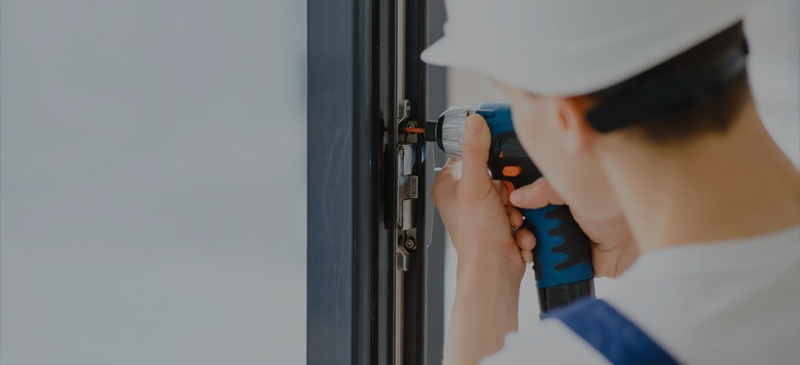
Even the best pivot door will underperform if it is installed carelessly. The frame needs a sound structural opening, correct fixing locations and fixings suitable for the substrate. Packers must support the frame without distorting it, and the sash must be adjusted so every locking point engages fully.
For installers, this means checking more than the reveal dimensions. Confirm finished floor levels, threshold build-up, drainage, cavity details, structural steel where present and the direction of opening before manufacture. Oversized entrance doors are not the place for last-minute changes on site.
Once fitted, the door should be checked from both sides. It should move smoothly without dropping or binding, close consistently, lock with positive engagement and show no excessive gap around the perimeter. The customer should also receive clear guidance on using the lock, maintaining the cylinder and reporting any change in operation promptly.
PAS 24 and Part Q: when compliance matters
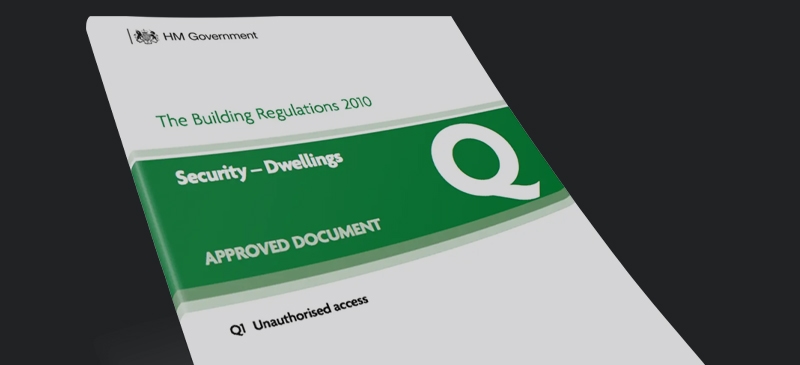
For new dwellings in England, Approved Document Q sets security requirements for easily accessible doors and windows. PAS 24 is a common route to demonstrating that an external doorset meets the expected level of resistance. Requirements can differ for extensions, refurbishment work, commercial buildings and projects elsewhere in the UK, so the specification should be checked against the relevant Building Regulations, planning conditions and insurer requirements.
For developers and architects, the practical lesson is to raise compliance at design stage. Ask for evidence for the exact proposed door style, dimensions, lock, glazing and hardware package. A product brochure may show what a system can achieve, but project approval depends on what has actually been specified.
Rhino Aluminium supports trade customers with fabricated aluminium doors designed around performance, accurate manufacture and project-specific requirements. Where a security standard is needed, confirming the correct configuration before order avoids avoidable delays later in the programme.
Do larger pivot doors create extra risks?
They can create extra design considerations, but size is not automatically a security problem. A wider or taller door needs appropriately rated pivots, a sufficiently rigid sash, carefully positioned locking points and a frame capable of managing the loads. It may also require a more considered installation plan due to weight and handling.
There is a trade-off between the most minimal visual design and the hardware needed to achieve a particular performance level. Very narrow sightlines, extensive glazing and flush detailing can all be achieved in many cases, but they should not be allowed to compromise tested security or reliable operation. The most successful specification resolves those priorities early.
Keeping a pivot door secure over its service life
Security is not fixed on installation day. A door that begins to catch, needs force to lock or develops movement should be inspected before the issue affects lock engagement. Basic maintenance is straightforward: keep tracks and threshold areas clear, clean the frame with suitable non-abrasive products, lubricate hardware only in line with the manufacturer’s instructions and arrange adjustment where needed.
Avoid fitting unapproved hardware, changing cylinders without checking compatibility or drilling into the door for aftermarket accessories. Such alterations can affect performance, warranty cover and compliance evidence.
A pivot door should feel substantial, close precisely and lock without uncertainty. For any project, the best next step is to agree the security requirement before finalising the design – then choose a tested, correctly fabricated and professionally installed doorset that meets it.