

Choosing RAL Colours for Aluminium Frames
A three-metre sliding door can look entirely different once its frame colour changes. The glazing, sightlines and hardware may be identical, but RAL colours for aluminium frames determine whether the finished installation recedes into a brick elevation, sharpens a contemporary extension or becomes a statement feature in its own right. For trade customers, getting the colour specification right early also helps avoid delays, mismatched components and difficult conversations at handover.
Aluminium gives architects, installers and homeowners far more freedom than the familiar white window frame. It is available in a wide range of durable powder-coated finishes, including classic neutrals, deep architectural tones, heritage-inspired shades and dual-colour combinations. The best choice is rarely about following a trend alone. It needs to suit the building, the surrounding materials, the system being installed and the expectations of the client.
What RAL colours mean for aluminium frames
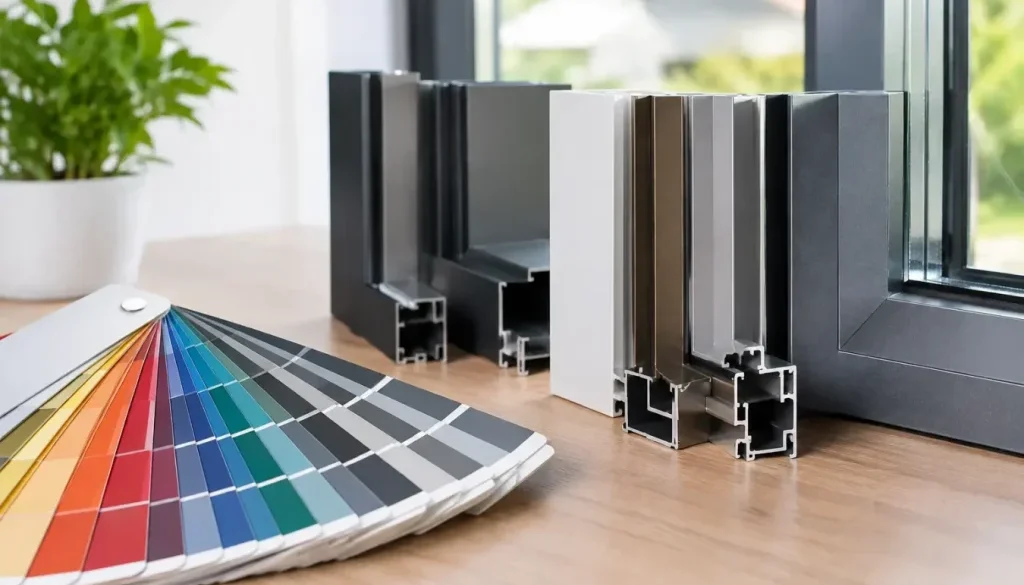
RAL is a recognised colour-matching system used widely across construction and manufacturing. A RAL reference gives everyone involved in a project a common point of reference, from the architect and installer to the fabricator and powder coater. This is particularly useful where aluminium windows, bifolds, sliding doors, rooflights and curtain walling must coordinate across one scheme.
A RAL number should not, however, be treated as the whole finish specification. The same nominal colour can present differently depending on sheen level, texture, profile shape, viewing angle and natural light. A smooth matt black frame, for example, reflects light very differently from a textured black finish. Samples remain the sensible way to confirm the final appearance before an order is placed.
For many projects, RAL 7016 Anthracite Grey continues to be a popular choice. It works well with modern brickwork, pale render, timber cladding and slate roofs, and is dark enough to define large glazed openings without appearing as severe as black. RAL 9005 Jet Black offers a crisper, more dramatic outline, while RAL 9001 Cream and RAL 9016 Traffic White suit lighter elevations and more traditional settings. These are useful starting points, not automatic answers.
Choosing RAL colours for aluminium frames
The frame colour should be considered alongside the full elevation, rather than selected from a small swatch in isolation. Roof finishes, brick tones, render, fascias, guttering, external lighting and internal flooring all influence how a colour will read once fitted.
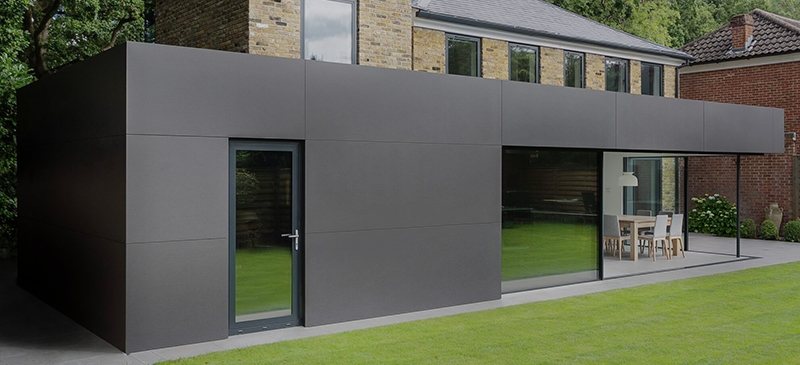
On a contemporary rear extension, a dark grey or black aluminium sliding door can create a clean visual break between old and new. In contrast, a softer grey may sit more comfortably against weathered brick or a rural façade. Heritage steel-look doors often benefit from darker finishes that reinforce their slender, industrial-style profiles, although bronze, olive and muted green shades can be effective where a project needs more character.
For commercial work and larger developments, consistency matters just as much as appearance. A specific RAL reference can be carried through entrance doors, windows, screens and façade systems to give the building a controlled, considered result. This is particularly valuable where different trades are supplying adjacent elements. Establish the approved colour, finish and sheen at specification stage, then make sure every relevant item is ordered to the same requirement.
Light changes the result
A colour that looks almost black inside a showroom can appear charcoal grey in direct sunlight. North-facing elevations can make cool shades appear bluer, while warm brickwork and low evening light may bring out brown or green undertones. Large-format aluminium doors amplify this effect because there is more visible frame surface around the glass.
This is why physical samples should be viewed outside, against the intended building materials where possible. For homeowners, it is worth looking at the sample at different times of day. For installers and developers, agreeing samples before fabrication reduces the risk of subjective colour disputes later.
Matt, gloss and textured finishes
Sheen is a practical specification decision as well as a visual one. Matt and low-sheen finishes have a refined, contemporary appearance and are common on premium residential installations. They tend to soften reflections and can be more forgiving of minor surface marks than a high-gloss finish.
Textured powder coating adds a lightly grained surface that gives the frame a more tactile finish. It is often chosen for anthracite and black aluminium frames because it suits modern architecture and disguises everyday handling marks well. Smooth finishes offer a cleaner, more uniform look, particularly on lighter colours or projects where a sharp, minimal aesthetic is required.
The right option depends on the system, location and client brief. A smooth light finish may suit a coastal-inspired home, while a textured dark finish can complement a contemporary extension with exposed steel and large panes of glass. The finish should be confirmed alongside the RAL code, rather than assumed from the colour name alone.
Single colour or dual-colour frames?
Dual-colour aluminium frames provide a useful solution when the exterior and interior have different design demands. A homeowner may want anthracite grey externally to complement roof tiles and gutters, but prefer white, soft grey or black internally to work with plaster finishes, joinery and furniture. With aluminium, the external and internal faces can be specified in different colours without compromising the slim, durable nature of the frame.
This approach is especially effective on renovations. External planning expectations or neighbouring properties may favour a traditional or restrained façade, while the interior is being redesigned with a more contemporary palette. It can also help maintain a consistent internal scheme where extensions include several different window and door types.
There are trade-offs. Dual-colour specification needs to be identified clearly on drawings, quotations and order confirmations. It may affect cost and should be checked against the available system and finish options. It also makes accurate site communication essential, particularly where multiple openings are being delivered to a busy project.
Matching aluminium frames to building style
Colour choice should support the architecture rather than compete with it. On modern new builds, deep greys, black and warm metallic tones can frame expansive glazing with confidence. Slimline sliding doors and bifolding doors often benefit from these stronger colours, as they give the opening definition while allowing the glass to remain the main feature.
Traditional homes need a more measured approach. Black heritage doors can work exceptionally well in period properties, garden rooms and internal partitions, particularly when the glazing-bar layout is carefully proportioned. However, an overly stark finish may feel out of place on a softer rendered cottage or a conservation-sensitive conversion. Off-whites, greys, greens and heritage-inspired tones can provide a better fit.
Planning requirements should always be checked where a property is listed, within a conservation area or subject to particular local design controls. Colour may not be the only consideration – frame style, glazing-bar arrangement and opening configuration can all influence whether the proposed aluminium installation is appropriate.
Performance and finish quality matter together
A premium colour choice is only as good as the preparation and coating behind it. Aluminium frames are selected for their long service life, strength and resistance to weathering, but exterior finishes still need to be suitable for their location and properly maintained. Coastal sites, exposed elevations and high-traffic commercial entrances may require closer consideration of the coating specification and cleaning regime.
Regular washing with clean water and a mild, non-abrasive detergent helps remove airborne dirt, salt deposits and pollutants. Avoid aggressive cleaners, solvents and abrasive pads, as these can damage the powder-coated surface. Attention should also be given to drainage paths, gaskets and moving parts as part of normal window and door maintenance.
The colour itself does not determine thermal performance, security or weather resistance. Those depend on the aluminium system, glass specification, fabrication quality and correct installation. But colour selection should happen alongside these decisions, not as an afterthought. A high-performing door or window deserves a finish that meets the same standard of care.
Specifying colour without costly assumptions
A clear specification should record the exact RAL reference, whether the finish is smooth or textured, the sheen level, and whether the frame is single or dual colour. It should also identify which side receives which colour and confirm any matching requirements for handles, trickle vents, cills, flashings or façade elements.
At Rhino Aluminium, more than 5,000 RAL colour options give trade customers the flexibility to meet both standard and highly individual project briefs. That breadth is valuable, but it makes early approval even more important. Standard colours can be the practical choice where programme and budget are tight, while bespoke shades are often justified on architect-led homes, premium developments and commercial schemes where the façade must be precisely coordinated.
Before fabrication begins, review the approved sample against the order confirmation and elevation drawings. This short check protects the project from one of the most visible and expensive specification errors: a frame colour that is technically ordered correctly but visually wrong for the building.
The strongest choice is the one that still looks right when the scaffolding comes down, the daylight changes and the client sees the finished opening as part of the whole building.