


Aluminium Window Energy Ratings Explained
A slim aluminium frame can transform an elevation, but the specification must work harder than the sightlines. Aluminium window energy ratings give installers, developers and homeowners a practical way to judge how a complete window will manage heat loss and solar gain. They are also central to satisfying Building Regulations, avoiding costly changes at survey stage and delivering the comfort a client expects.
The key word is complete. A high-performance glass unit alone does not guarantee a high-performing window. Frame design, thermal breaks, spacers, opening configuration, seals and the finished window size all affect the published result.
What aluminium window energy ratings actually measure
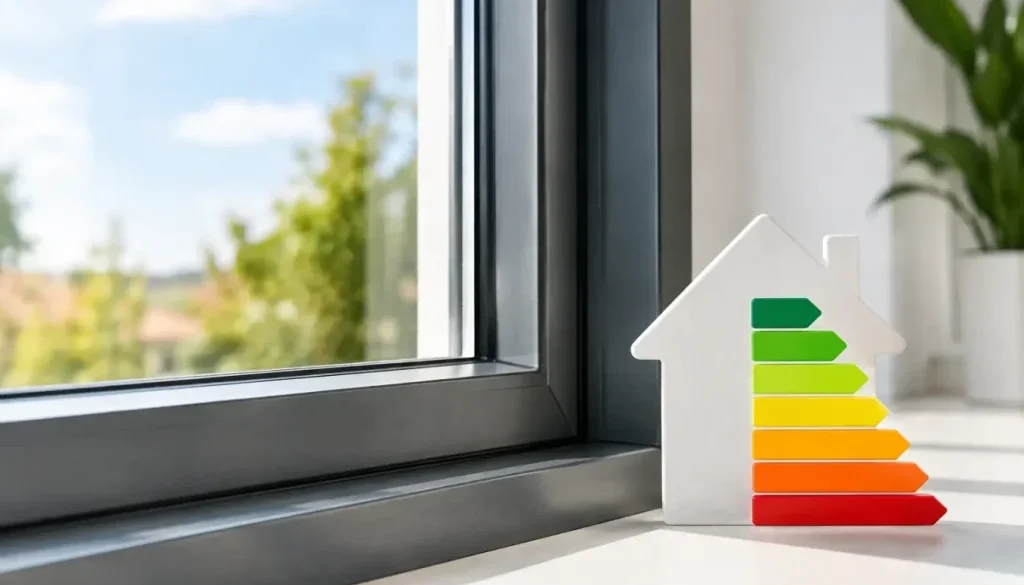
In the UK, energy ratings are commonly presented using a banded scale, typically from A++ down to E. Unlike a U-value, which measures heat loss alone, an energy rating considers the window’s likely annual energy balance. It accounts for heat lost through the frame and glass, useful solar gain passing through the glazing, and air leakage.
That makes the rating useful for a quick comparison between like-for-like products. A higher rating generally means the window is expected to make a better contribution to a home’s overall energy performance. However, it is not a substitute for reading the full technical specification. Two windows with similar labels may have different U-values, glazing options or frame proportions, all of which can matter on a particular project.
For trade customers, the most dependable approach is to request the documented performance for the precise system and configuration being quoted. This is particularly relevant with large fixed lights, heritage-style windows, bay assemblies and bespoke shaped glazing, where the final make-up can differ materially from a standard test sample.
U-values: the figure most specifications require
A U-value shows how readily heat passes through an element. It is expressed in W/m²K, and lower numbers are better. Put simply, a lower U-value means less heat is escaping through the window when the inside temperature is warmer than outside.
There are several figures you may encounter. The centre-pane value relates only to the middle of the glass unit. The frame value relates to the profile. The whole-window U-value, often written as Uw, combines the glass, frame, edge spacer and proportions of the complete unit. For quoting, compliance and meaningful comparison, Uw is normally the figure that matters.
This distinction is especially important with aluminium. Modern thermally broken aluminium systems can achieve strong thermal results while retaining the narrow, durable profiles clients want. Yet aluminium is naturally conductive, so the thermal break, profile design and fabrication quality are decisive. Comparing a centre-pane figure from one supplier with a whole-window figure from another will give a misleading answer.
Rhino Aluminium systems are specified with whole-product performance in mind, with typical U-values in the 1.2 to 1.4 W/m²K range depending on the system, glass specification and configuration. The correct value should always be confirmed for the individual product and project.
Why window size changes the result
Larger panes tend to increase the proportion of glass relative to frame. Because modern double or triple glazing may perform differently from the frame, the overall Uw can move as the dimensions change. Mullions, transoms, openers and decorative bars also alter the glass-to-frame ratio.
A fixed picture window, a side-hung casement and a steel-look opening sash should not be assumed to share the same thermal value merely because they use the same profile family. Ask for calculations or certification that reflect the proposed arrangement, particularly where the project is close to a planning, SAP or Building Control threshold.
Energy ratings are not only about keeping heat in
Solar gain is the part of sunlight that enters through glass and helps warm the building. During colder months, useful solar gain can improve the calculated energy rating. In a south-facing extension with substantial glazing, however, too much gain can create overheating and glare.
This is where specification becomes a balance rather than a race for the highest possible rating. A lower-g glass coating may reduce heat loss but can also reduce solar gain. Solar-control glass can be the right choice for a large south- or west-facing façade, rooflight or lantern, even if it changes the calculated energy balance. Orientation, shading, room use, ventilation strategy and total glazed area should guide the decision.
For a garden room that is used all year, consider the whole design: opening lights for purge ventilation, shading where required, glass performance, and a frame system capable of supporting the intended sizes. A good window specification protects comfort in July as well as warmth in January.
What to check before approving an aluminium window specification
Energy ratings are useful, but they should sit alongside the evidence a professional project needs. Before placing an order, verify the whole-window U-value and whether it applies to your exact dimensions and opening style. Confirm the glass build-up, including low-e coating, cavity fill, pane thickness and warm-edge spacer.
You should also check air permeability, weather performance and security requirements. A window that has an excellent thermal calculation but poor installation detailing or inadequate sealing will not perform as intended. Correct packers, perimeter gaps, insulation continuity and suitable internal and external sealants all matter. The fabricated window and the installation are one performance chain.
For replacement work and new-build schemes, the applicable Building Regulations requirements must be confirmed for the nation and project type. Requirements can differ between England, Wales and Scotland, while conservation restrictions, planning conditions and project-specific energy assessments may add further constraints. Do not rely on a historic target from a previous job.
A practical specification conversation
The fastest route to a reliable quote is to establish the opening sizes, whether units are fixed or opening, the desired sightlines, glazing preference and site orientation. If the client has an energy target, obtain it early rather than trying to reverse-engineer it after survey.
It also helps to distinguish between what is essential and what is preferred. For example, a heritage appearance, very slim lines or large-format glazing may be non-negotiable. The system and glass can then be selected around those priorities while maintaining the required performance. That is a more productive process than assuming every aluminium window should have the same rating.
Avoid common comparison mistakes
The most common mistake is treating an energy label as a universal product claim. Ratings are usually based on defined sizes and configurations. They provide valuable evidence, but they do not automatically apply to every bespoke unit in a schedule.
Another is overlooking glass specification. Clear low-e double glazing, triple glazing, acoustic laminated glass and solar-control glass each change more than one characteristic. Triple glazing can improve U-values, for instance, but adds weight and may not always be necessary for the intended performance or opening size. Acoustic glass can be excellent beside a busy road, yet it must be considered alongside thermal and solar requirements.
Finally, avoid specifying by U-value alone. A well-made aluminium window should offer the right balance of thermal performance, weather resistance, security, durability, appearance and manufacturability. For installers, that balance also includes dependable fabrication, accurate sizes and support when a technical question arises.
Making the rating work for the project
Aluminium windows are no longer a compromise between contemporary design and energy efficiency. With a properly thermally broken system, suitable insulated glass unit and correct installation, they can meet demanding project requirements while providing the slim profiles and long-term finish that distinguish aluminium.
Use aluminium window energy ratings as the starting point for a better technical conversation, not the final tick box. When the figures are tied to the actual window schedule, orientation and installation detail, they help create glazing that looks right on day one and performs properly through every season.