



How Aluminium Door Manufacturers Support Trade
A door can look excellent in a brochure and still cause problems on site. For installers, builders and developers, the right aluminium door manufacturers are not simply a source of attractive frames. They are a production partner that helps protect programme dates, meet the specification, reduce fitting issues and give the client confidence long after handover.
That distinction matters most on projects with large openings, demanding thermal targets, bespoke colours or tight access arrangements. Aluminium offers slender sightlines, strength and long-term durability, but the finished result depends on accurate fabrication, suitable glass, correct hardware and practical support from the point of quotation onwards.
What trade customers should expect from aluminium door manufacturers
A good aluminium door is a manufactured product, not a collection of parts. Profile systems, sealed units, gaskets, rollers, hinges, locks and threshold details must work together. The manufacturer’s job is to turn those components into doors that arrive correctly sized, properly glazed where required, securely packed and ready for efficient installation.
For trade customers, this starts with clear technical information. Opening configurations, sash sizes, maximum panel weights, drainage requirements and glass limitations should be established before an order is released. A supplier who identifies a potential issue at quotation stage can save a return visit, replacement glass or a difficult conversation with the end client.
Capacity matters too. A manufacturer with dedicated production space and defined processes is better placed to maintain consistency when demand rises. Quick lead times are useful only when the product remains accurately made and thoroughly checked. Ask how orders are processed, where fabrication takes place and who remains accountable if a detail needs resolving.
Factory control makes a practical difference
British manufacturing gives trade customers greater visibility over production, quality checks and lead times. It can also make communication simpler when an unusual opening, shaped screen or non-standard colour requires a decision. Rather than passing questions through several layers of distribution, installers should be able to speak to people who understand the product being fabricated.
At Rhino Aluminium, products are manufactured from a dedicated 1,975 sqm Kent factory, with dedicated bifold production lines and standard lead times of 10-14 days. That kind of factory-led approach is valuable because it connects the sales discussion with the people and processes responsible for the finished frame.
Compliance should be designed in, not added later
Compliance is often discussed only when building control asks for paperwork. In practice, it should influence the door choice from the first conversation. A new-build development, replacement project, exposed coastal property and high-security entrance do not necessarily need the same specification.
Thermal performance is a clear example. A quoted U-value may depend on the system, overall door size, configuration, spacer bar and glazing specification. Values in the region of 1.2-1.4 W/m²K may be achievable for suitable aluminium door systems, but the figure must relate to the actual proposed door rather than a generic sample. Smaller glazed areas, solid panels and different glass make-ups can all affect the result.
Security deserves the same care. PAS 24-tested configurations can be appropriate where the project specification or planning condition calls for them, but hardware and glazing must match the tested arrangement. It is not enough to assume that a familiar profile automatically meets a particular security requirement.
Fire safety, ventilation, critical locations and threshold accessibility can also shape the final design. Trade professionals do not need a manufacturer to replace their responsibility for specification, but they do need straightforward technical guidance, reliable documentation and a willingness to flag details that may need further review.
The right door type depends on how the opening will be used
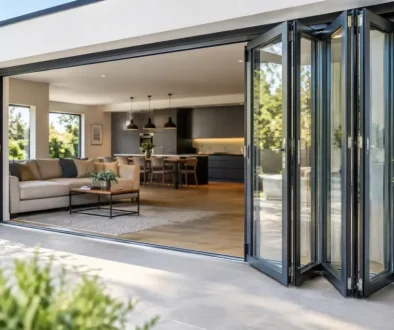
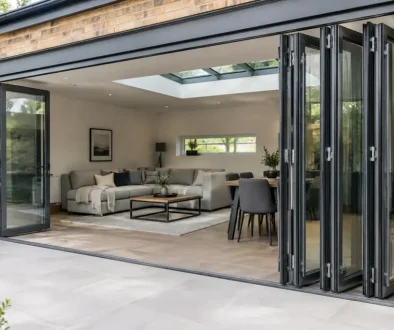
Bifolding doors remain a strong choice where a homeowner wants the opening to fold back and create a wide connection to the garden. They suit extensions, entertaining spaces and renovation projects where flexibility is the priority. The trade-off is that the panels stack to one or both sides, so they need sensible consideration of furniture layouts, traffic flow and the stacked-frame position.
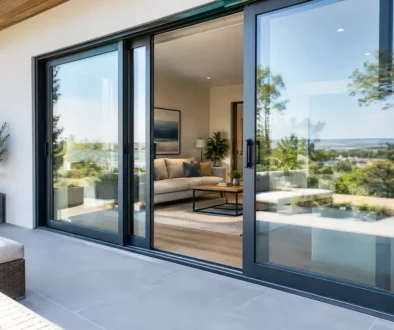
Sliding patio doors are often the better answer for large glazed elevations and uninterrupted views. Their panels remain within the overall frame line when open, making them practical where patio space is limited. They can also deliver very slim central sightlines, although the maximum panel dimensions, glass weight and structural opening must be considered carefully.
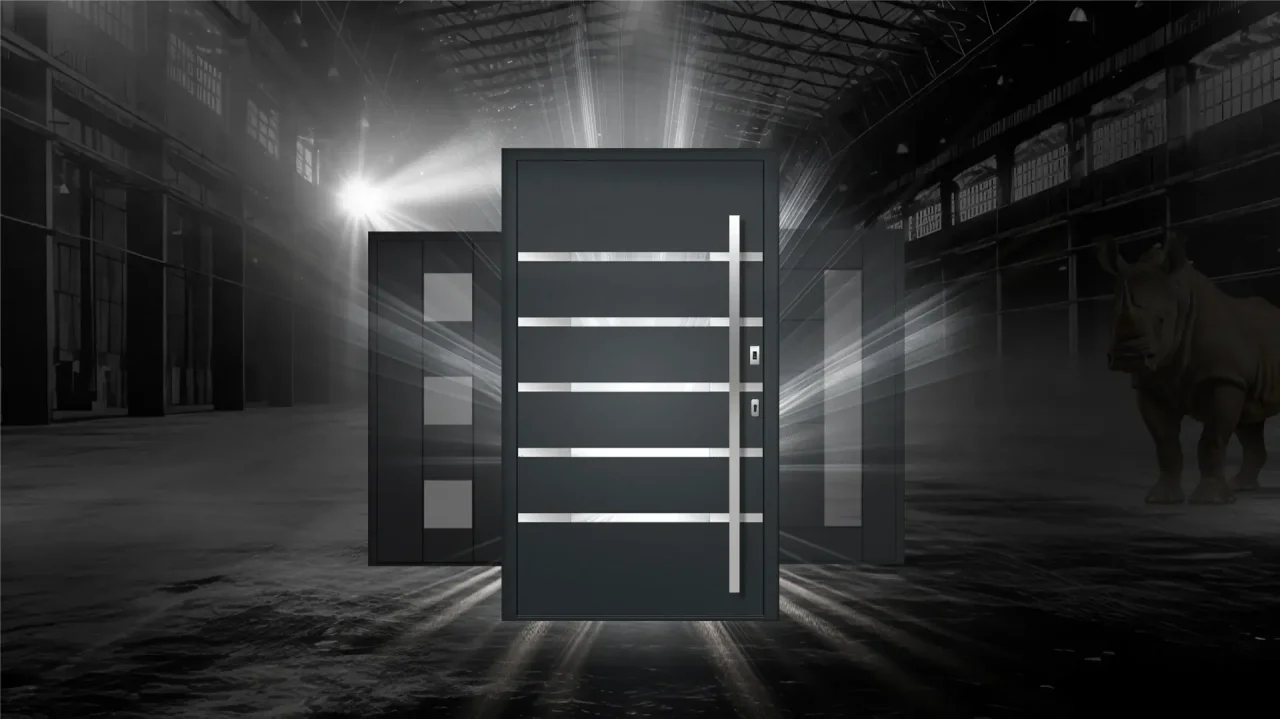
For front entrances, aluminium front and pivot doors offer a different set of benefits: strong visual impact, stable construction and scope for solid panels, sidelights, handles and access control. Heritage steel-look doors and French doors can be more appropriate where the property calls for finer glazing bars or a traditional character. The best choice is rarely about fashion alone. It is about matching performance and operation to the building and the client’s daily use.
Bespoke does not mean uncertain
Bespoke sizes, shaped glazing and unusual colour choices can differentiate a project, but they require discipline. A manufacturer should confirm what is possible within the system limits and provide realistic lead-time information before a client has committed to a design.
Colour is a good case in point. A broad RAL range gives architects and homeowners freedom, from understated greys to a precise match with cladding or interior finishes. Yet special powder-coated finishes may affect production scheduling, and darker colours can absorb more heat in highly exposed locations. A transparent conversation early on is better than presenting every option as identical in cost and availability.
Delivery and installation support protect the programme
The delivery experience is part of the product. Large aluminium doors are valuable, heavy and vulnerable to damage if handled poorly. Frames should be protected, clearly identified and supplied with the information the fitting team needs. For nationwide work, delivery planning should also account for site access, unloading arrangements and whether glass is supplied separately.
Installers benefit when the manufacturer makes installation details easy to understand. This does not remove the need for competent fitting, level structural openings and correct fixing methods, but it reduces avoidable uncertainty. Threshold build-ups, drainage paths, packer locations and adjustment instructions are all details that can influence the finish.
Aftersales support matters just as much. Even well-planned jobs can uncover a damaged unit, a site measurement discrepancy or an adjustment requirement after fitting. The useful question is not whether every issue can be prevented. It is whether the supplier responds clearly, investigates properly and takes ownership of the next action.
Questions worth asking before you place an order
Before choosing between aluminium door manufacturers, trade customers should establish a few practical facts. Where is the product fabricated? What lead time applies to the exact colour and configuration? Which U-value and security evidence relate to the proposed design? How are large frames packaged and delivered? And what is covered by the manufacturer guarantee?
It is also sensible to ask who will check the order before production. Drawings and order confirmations are not administrative extras. They are the point at which handing, panel arrangement, internal and external colour, handle position, glass specification and cill details can be checked against the survey and the client’s expectations.
A 10-year manufacturer guarantee can add real reassurance, but customers should understand its terms, including the distinction between product manufacture, glass, hardware and installation. Clear expectations support better service for everyone involved.
Choose a manufacturer that helps you build confidence
The strongest supplier relationships are built on repeatable results. Trade customers need doors that are well made, technically suitable and delivered when promised, alongside people who can answer a specification question without unnecessary delay. Homeowners, meanwhile, need the finished opening to feel secure, warm, easy to operate and worth the investment.
When a project calls for wide spans, slim frames or a statement entrance, allow enough time to confirm the detail before production begins. That small amount of care is often what turns an impressive aluminium door into an installation your client is pleased to recommend.