

Aluminium Door Lead Times: What Delays a Project?
A door opening can be formed, insulated and ready for fitting long before the glazing arrives. That gap can hold up internal finishes, scaffolding removal, handover dates and payment schedules. Understanding aluminium door lead times at quotation stage gives installers, builders and developers a far better chance of keeping the programme moving without compromising the finished specification.
For standard fabricated systems, a realistic lead time is not simply the time spent making the frame. It includes confirming the order, checking the specification, procuring materials where required, fabrication, glazing, quality control, packing and arranging delivery. The right supplier should be clear about each stage, rather than offering a headline date that cannot withstand a change to the design.
Typical aluminium door lead times in the UK
Lead times vary by product, system, size and complexity. A straightforward aluminium French door or single entrance door in a standard configuration can generally move through manufacture more quickly than a large sliding door, a multi-panel bifold or a bespoke pivot door. The latter may involve heavier profiles, specialist hardware, larger glass units and more detailed transport planning.
At Rhino Aluminium, standard products are manufactured in the UK with typical lead times of 10-14 days. This factory-controlled approach helps trade customers plan installation dates with greater confidence, particularly where multiple products are required across an extension, renovation or development.
That stated window should still be treated as a manufacturing guide, not a reason to leave ordering until the last moment. Site conditions, final measurements, colour selection and glass specification all have a bearing on when an order can be released for production. If a project has a fixed fitting date, allow time for survey, approval, delivery checks and a sensible contingency.
Why aluminium door lead times can change
The biggest influence is often not factory capacity but specification certainty. Aluminium doors are made to order. Until the correct width, height, opening arrangement, threshold, handing, colour, glass and hardware are agreed, manufacturing cannot begin with confidence.
Bespoke sizes and configurations
Large openings are one of aluminium’s strongest applications, but they need careful engineering. A wide sliding door may require particular sash dimensions, reinforced sections, lifting equipment or glass limits that affect both manufacture and delivery. Bifolding doors with unusual panel splits, floating corners or open-corner arrangements also require more detailed technical checks than a standard configuration.
Bespoke shaped frames, heritage-style sightlines and pivot doors can extend the process further. That is not a drawback when the product is specified early. It is simply the trade-off for achieving a door that fits the architecture, performs correctly and installs as intended.
Colour and finish
Powder-coated aluminium is valued for its durability and broad design choice. However, a popular stock finish may be available sooner than a non-standard RAL colour, dual-colour option or specialist textured finish. With more than 5,000 RAL colours available, there is substantial design freedom, but the exact finish should be agreed before the order is placed.
For trade customers, this matters when doors must coordinate with windows, rooflights, cladding or existing architectural details. Approving a colour from a screen image late in the process can create avoidable delay. Physical samples and early client sign-off are usually the safer route.
Glass specification
Glass is frequently the critical path on a door order. Standard double-glazed units can be scheduled efficiently, while solar-control glass, laminated safety glass, acoustic units, obscure finishes, integral blinds or oversized panes may require additional time. Triple glazing can also affect production planning because of its weight and the handling requirements involved.
The specification must meet the practical demands of the opening as well as the visual brief. Doors in exposed locations may need safety glass, solar-control properties or enhanced acoustic performance. Ground-floor external doors may need a PAS24-compliant configuration. Confirming these requirements at the beginning prevents a late redesign after manufacturing has been planned.
Hardware, security and thresholds
Handles, cylinders, locks, trickle vents and thresholds can look like minor details on a drawing, yet they influence fabrication. A low threshold may suit access requirements, but the site must have the correct drainage and finished floor build-up. A traditional handle or specialist security cylinder may also have a different supply position from standard hardware.
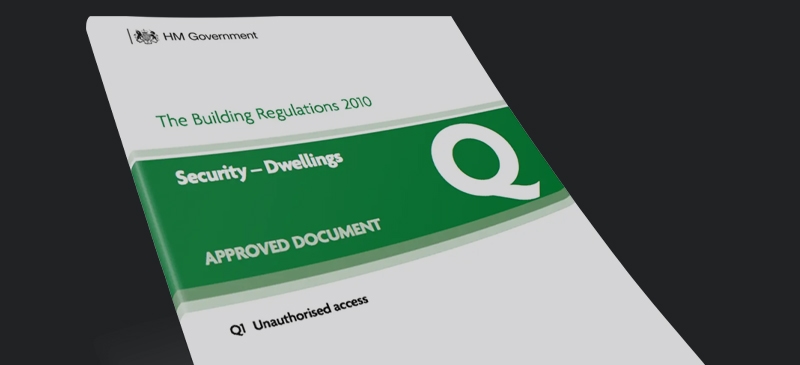
The same applies to compliance. Approved Document L, Approved Document F, Approved Document Q where applicable, and security requirements should be considered before the order is finalised. A compliant door is not an optional upgrade added at the end of the programme. It is part of the product definition.
Start the programme before production starts
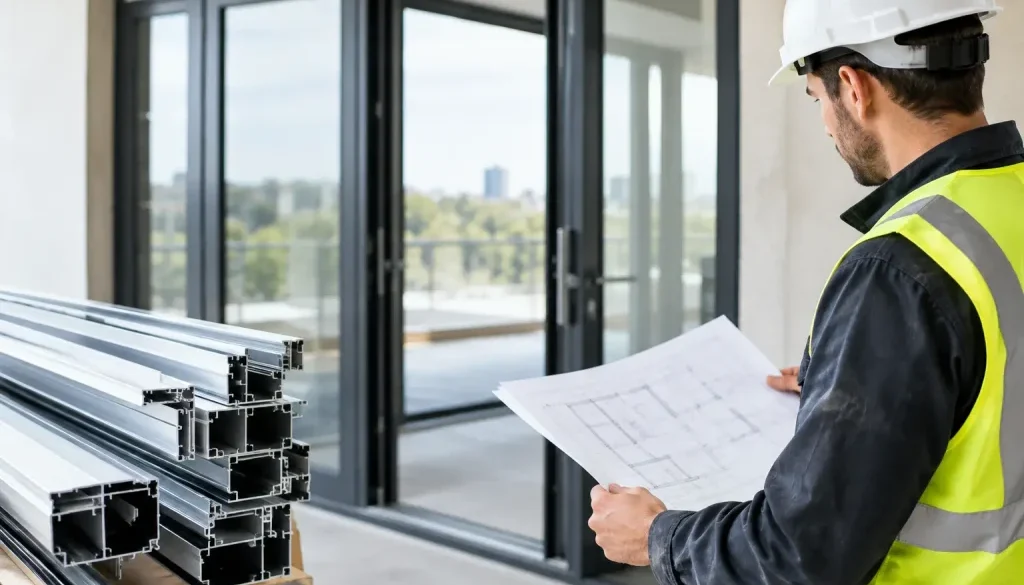
The most dependable way to protect a fitting date is to work backwards from it. First establish when the structural opening will be genuinely ready, including steelwork, cavity closers, membranes, render details and final floor levels. Then allow for site survey and technical approval before agreeing the manufacturing slot.
Measurements should be based on finished, stable openings rather than anticipated dimensions. On renovation projects especially, removing existing frames can reveal irregular masonry, hidden lintels or out-of-plumb reveals. A provisional order can support budgeting, but final fabrication dimensions should only be issued when the survey information is reliable.
Clear responsibility also makes a difference. One person should be authorised to approve drawings, colour, glass, handing and hardware. When several parties can request changes through separate channels, small amendments can turn into production holds. A written final sign-off protects the installer, supplier and client alike.
How to avoid delays on aluminium door orders
Good planning does not mean choosing only standard products. It means identifying which parts of the order are standard and which need additional lead time. A carefully specified bespoke sliding door can be a more reliable choice than a supposedly quick option that has not been fully checked.
Before placing an order, confirm the following information with the supplier:
- final structural opening sizes and tolerances;
- door type, sash arrangement, handing and opening direction;
- internal and external frame colour, including any non-standard RAL finish;
- glazing performance, safety requirements and decorative features;
- threshold detail, drainage strategy and finished floor levels;
- required security, ventilation and building-regulation performance; and
- delivery access, unloading arrangements and the proposed installation date.
Delivery planning deserves particular attention for large-format glazing. A long sliding sash or heavy sealed unit may need suitable access for a lorry, safe unloading space and enough trained operatives on site. If access is constrained, identify this early rather than discovering it on delivery day.
When a longer lead time is the right decision
There are occasions when waiting slightly longer is commercially sensible. Choosing the correct glass can reduce overheating and improve comfort. Specifying a thermally efficient system, with U-values commonly in the 1.2-1.4 range depending on the product and glazing, can support the wider energy strategy of the build. Selecting a tested security configuration may avoid remedial work and give the client the assurance they expect.
The alternative is rarely a true saving. A door supplied quickly but incorrectly can cause more disruption than a planned production period. Remaking frames, replacing glass, revisiting site and rearranging trades costs time, money and reputation.
Build certainty into the order
Aluminium doors are high-value, made-to-measure components that sit at the meeting point of structure, weather performance, security and design. Their lead time should therefore be managed as part of the construction programme, not treated as a final purchasing task.
Specify early, measure accurately and keep decisions controlled. With a clear technical brief and a manufacturer that can give transparent production guidance, the door delivery becomes a planned milestone – not the reason the project waits.