

How Long Do Aluminium Windows Last in the UK?
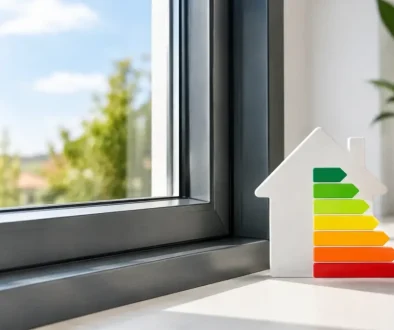
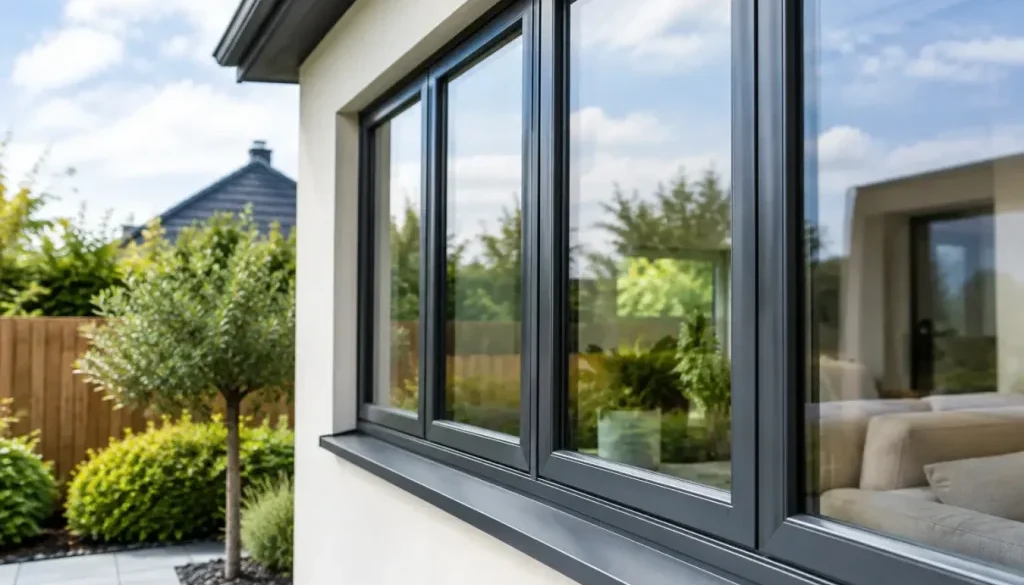
A well-specified aluminium window should not be treated as a short-term finish. For homeowners planning a major renovation and trade professionals balancing lifetime value against project cost, the sensible question is: how long do aluminium windows last? In most UK applications, quality aluminium windows can provide 30 to 45 years of dependable service – and potentially longer where the system, fabrication, installation and maintenance are all right.
That broad range matters. Aluminium itself does not rot, swell or warp as timber can, and it is not prone to the same long-term discolouration or expansion issues associated with lower-quality PVCu. But a window is more than its frame. The glass unit, seals, moving hardware, drainage routes and installation detail all influence how it performs over decades.
How long do aluminium windows last in real conditions?
The aluminium frame is usually the longest-lasting element. Aluminium naturally forms a protective oxide layer when exposed to air, helping it resist corrosion. Modern architectural powder coatings add another layer of protection, providing a durable finish in an extensive choice of colours.
For a correctly fabricated and installed window in a typical UK residential setting, a 30- to 45-year lifespan is a realistic expectation. Windows on sheltered elevations may go beyond this. Those exposed to driving rain, salt-laden coastal air, pollution or persistent shade can need more regular attention, particularly around coatings, seals and hardware.
A long service life does not mean a window will need no maintenance or replacement parts. Gaskets may eventually harden, handles and hinges can wear, and sealed units may lose their gas fill or fail before the frame reaches the end of its life. The advantage of a quality aluminium system is that these components can often be assessed and replaced without removing the entire window.
What determines an aluminium window’s lifespan?
The profile specification is the starting point. A thermally broken aluminium system separates the internal and external sections of the frame with an insulating polyamide barrier. This reduces heat transfer and helps manage condensation risk. It also supports the thermal performance expected in modern extensions, replacement projects and new-build work.
Fabrication quality is equally significant. Accurate cutting, clean corner joints, correctly fitted gaskets and properly positioned drainage are not cosmetic details. They determine whether the frame sheds water as intended, whether sashes close squarely and whether the system continues to operate smoothly after years of seasonal movement.
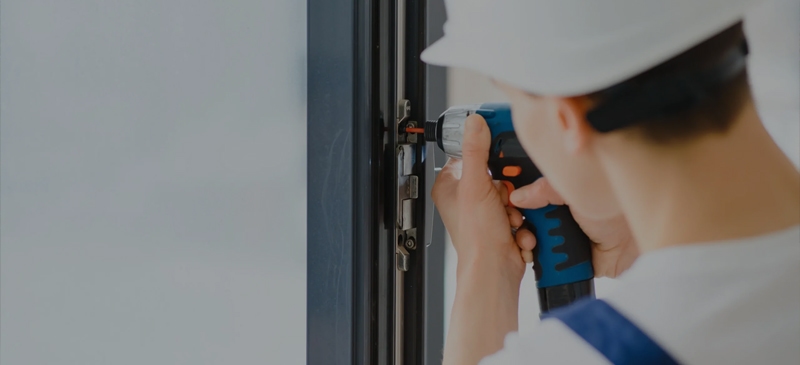
Installation can add years to a window’s useful life – or take them away. Frames must be set plumb, level and square, fixed at appropriate points and sealed with suitable materials for the substrate and exposure. Poor perimeter sealing can allow water ingress around the opening, while over-tight fixings or an uneven aperture may distort the frame and affect operation.
For installers and developers, this is why the cheapest frame price is rarely the full cost story. A reliable, factory-fabricated window that arrives complete, accurately made and supported with clear technical information can reduce remedial work and protect the finished project.
Glass and seals often age first
Insulating glass units are designed to retain a sealed cavity between panes. Over time, edge seals can deteriorate. If moisture enters the cavity, condensation or misting may appear between the panes. This is a glass-unit issue, rather than proof that the aluminium frame has failed.
The same applies to perimeter gaskets and weather seals. Quality EPDM or comparable seals are designed to withstand UV exposure and temperature changes, but they are consumable components over a building’s lifetime. Their condition should be checked if draughts, water penetration or rattling are reported.
Hardware needs practical attention
Casement window hinges, handles, espagnolette locking mechanisms and restrictors carry moving loads. In coastal locations, on high-use openings or where windows are not cleaned regularly, hardware can show wear before the frame does.
Good hardware, correct adjustment and occasional lubrication will make a material difference. If a sash starts catching, becomes difficult to lock or no longer sits evenly against its seals, it should be adjusted promptly. Leaving a misaligned sash in service can put unnecessary strain on hinges and locking points.
Aluminium versus other window materials
Aluminium is often selected for its slim sightlines, strength and ability to support larger glazed areas. Its service life is another strong reason to specify it, particularly where a project demands a low-maintenance solution with a contemporary or heritage steel-look appearance.
PVCu windows can offer good performance and value, but their expected lifespan is generally lower, often around 20 to 35 years depending on quality and exposure. Over time, darker finishes and south-facing elevations deserve particular consideration because of heat and UV exposure.
Timber windows can last for many decades, especially on period properties, but they require a committed maintenance programme. Paint and stain systems need renewing, and moisture must be kept out of joints, end grain and glazing details. Aluminium offers a different balance: a premium initial specification with lower ongoing maintenance and strong dimensional stability.
The trade-off is that aluminium windows should be chosen carefully at the outset. A poor-quality thermal break, unsuitable hardware or weak fabrication cannot be corrected simply by selecting a desirable colour. Specification, manufacture and installation must work together.
How to help aluminium windows last longer
Maintenance is straightforward, but it should be regular. Clean frames with warm water and a mild, non-abrasive detergent, then rinse and dry them. Do not use solvents, abrasive pads or aggressive cleaners, as these can mark the powder-coated surface and reduce its protective finish.
Pay attention to the areas that are easily missed: drainage slots, bottom tracks, hinge channels and gasket lines. Debris can block drainage and hold moisture where it should be able to escape. On sliding windows or doors, grit in the track can also affect rollers and smooth operation.
Inspect the windows each year, ideally before the wetter months. Check that handles lock positively, sashes close evenly and seals remain flexible and intact. A light lubricant approved for the hardware can be used on moving parts where the manufacturer recommends it. Avoid coating gaskets or hardware with products that attract dirt.
Properties near the coast need a more frequent cleaning routine. Salt deposits can build up on frames and hardware, so washing exposed elevations more often is a sensible preventative measure. The same applies to buildings beside busy roads or construction sites, where airborne contaminants settle on external surfaces.
Signs an aluminium window may need repair or replacement
A stiff handle or a little surface dirt does not mean an aluminium window has reached the end of its life. Many issues can be resolved through adjustment, new seals, replacement hardware or a new glass unit.
Replacement becomes more likely where there is extensive corrosion, significant impact damage, persistent water ingress caused by frame failure, or a profile that cannot achieve the required thermal or security performance for a wider refurbishment. Failed double-glazed units, visible gaps around the sash and recurring draughts should all be investigated rather than ignored.
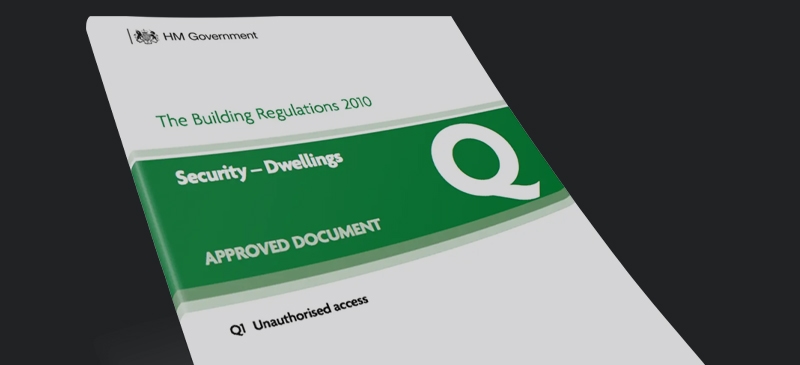
For commercial and higher-specification residential work, changing regulations and project requirements can also influence the decision. A window may remain structurally sound yet no longer be the right fit for an upgrade focused on lower U-values, enhanced acoustics, improved ventilation or security standards such as PAS 24.
Specify for the building, not just the brochure
The expected life of aluminium windows is strongly linked to how well they suit the building. Consider exposure, opening size, use frequency, glazing weight, ventilation needs and the desired appearance before ordering. A large casement on an exposed elevation has different demands from a fixed picture window in a sheltered extension.
It is also worth confirming what is covered by the manufacturer’s guarantee and what maintenance is expected to keep the product performing as designed. A 10-year manufacturer guarantee provides valuable assurance, but the best long-term result comes from combining a compliant system with precise fabrication, capable installation and responsive aftersales support.
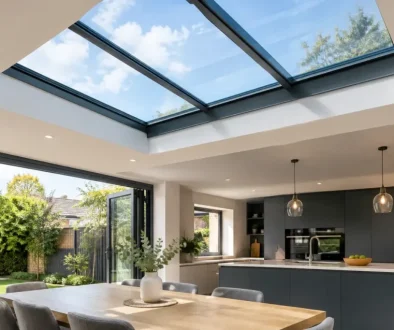
For projects where windows form part of a wider glazed scheme, specifying the frames alongside doors, rooflights or façade elements can help maintain consistent sightlines, colours and performance targets. Rhino Aluminium manufactures aluminium systems in Britain for precisely this kind of coordinated, high-specification requirement.
A quality aluminium window should still look purposeful and operate confidently long after the dust has settled on the project. Choose the system carefully, install it properly and deal with small maintenance issues early – that is how a 30-year window becomes a far longer-lasting investment.